02 / A PRACTICAL WORKFLOWSTART WITH YOUR PHOTO
01Choose the actual piece and record its variation
Decide whether the listing sells one particular piece or a repeatable design with handmade variation. For a one-off bowl or vase, photograph the exact item and keep its identifier attached to every file. For a repeated design, keep a representative set of genuine examples and describe the range you actually produce. Do not use a generated speckle pattern as the reference for what future customers will receive.
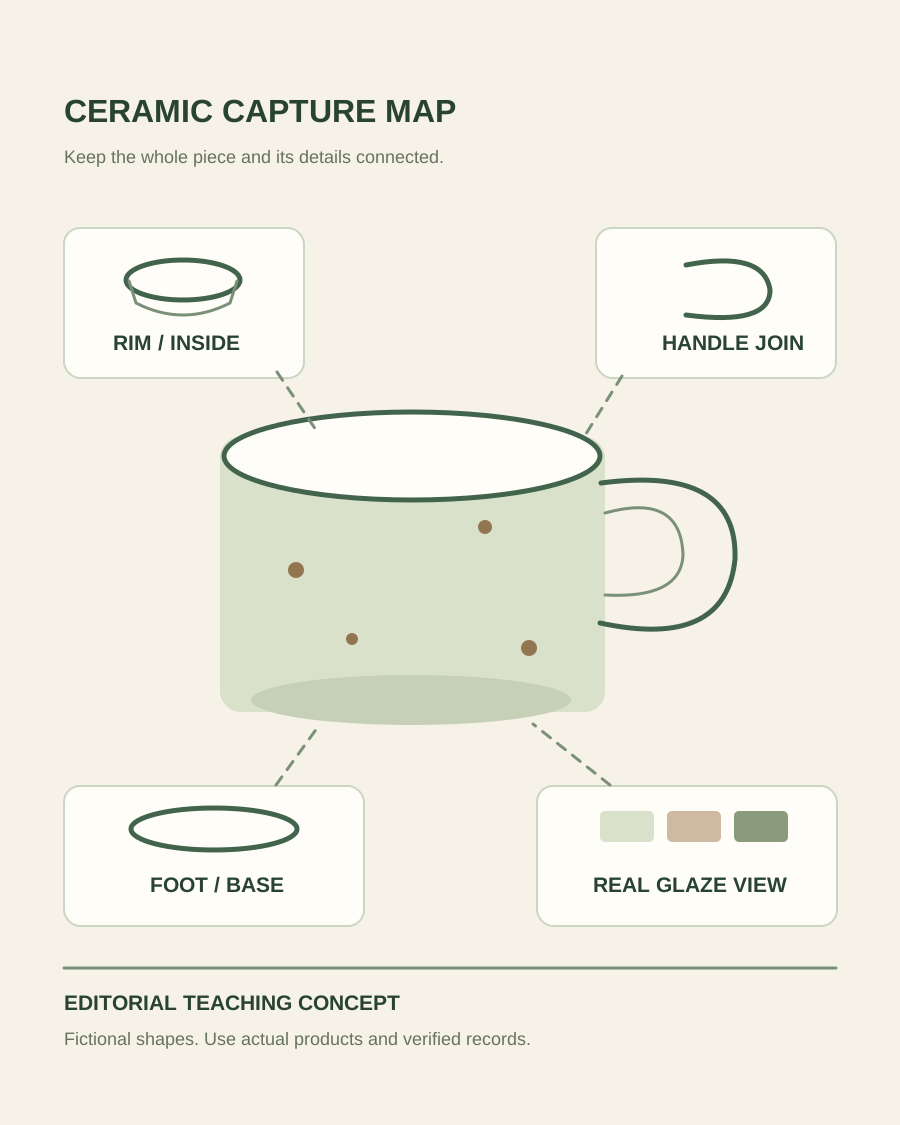
Clean the surface appropriately for the object and inspect it before styling. Check the mouth, handle joins, foot ring and inside surface. Record genuine chips, uneven areas or repairs when condition is part of the sale. Keep measurements and any independently established capacity or care information in product data; an attractive photograph cannot establish those facts. If a matching saucer or lid is optional, make its relationship to the purchased item explicit.
- Use one identifier for the actual piece, its whole view and its detail files.
- Separate representative glaze variation from the specific piece available to buy.
Capture the glaze and geometry as separate questions
Begin with an uncluttered three-quarter view that reveals the silhouette and handle. Add an overhead view for the opening and interior, a close view of the rim, and a stable underside view for the foot and any genuine maker mark. Do not balance a fragile item unsafely merely to obtain an angle. Etsy’s official photo guidance distinguishes studio, detail, scale and group views; choose the roles that answer questions about this piece rather than repeating one angle with different props.
Test the actual lighting on the glaze. A strong highlight may help describe a glossy surface but can also hide a painted mark or small defect. Make a neutral reference view and compare it with the styled view before choosing a cover image. Move one light, diffuser or reflector at a time and inspect the result, rather than assuming that a particular setup works for every finish. Keep a real size reference or measured view when the buyer needs to judge how large the opening or handle is.
Approve a scene without replacing ceramic evidence
A breakfast table or quiet shelf can be a useful supporting visual after the factual views are ready. Start a Fayvoro attempt from one clear photo of the actual piece, with the whole outline visible. Describe the surface, light and room rather than asking the generator to recover an unseen interior or invent a matching set. The service produces a new flat image candidate; it does not offer a locked ceramic model or a calibrated material preview.
Compare the mouth shape, handle opening, glaze boundaries, speckles and maker marks with the source. Reject a candidate that silently turns a matte finish glossy, repairs a real chip, changes the foot or adds another item to the offer. Retain the original views for construction and condition, even when the scene looks appealing. At handoff, identify which image is the factual product record and which is a reviewed creative scene so that an operator does not later substitute the latter for detail evidence.