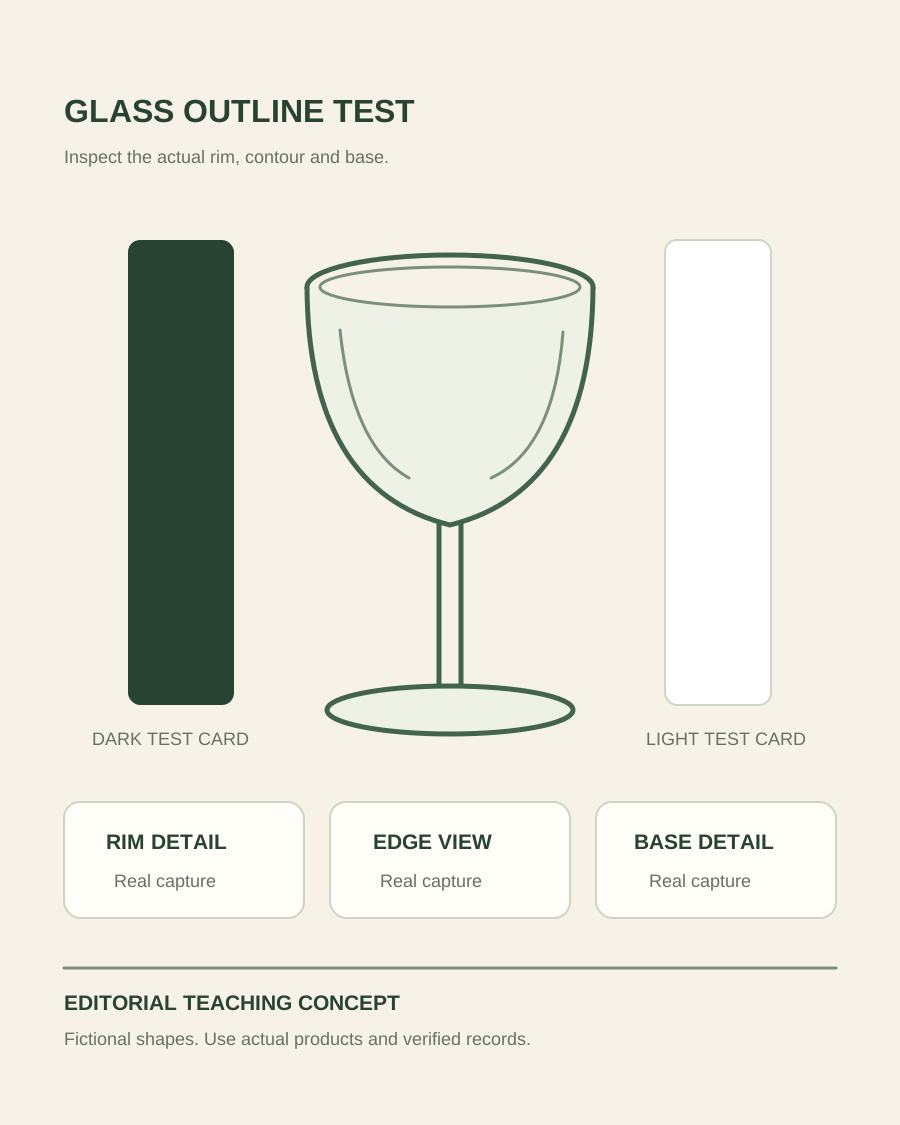
Define the glass item before lighting it
Record whether the offer is one tumbler, a matched pair, a mixed collection or a replacement component. Photograph the correct quantity for the relevant view, and keep a single-item identity image when shoppers need to compare variants. Distinguish the glass’s own tint from colored liquid, a warm room or a backdrop reflected through it. A filled glass is a separate styling decision, not a substitute for showing the empty product that ships.
Inspect the actual rim, stem, joins and base before capture. Remove fingerprints or loose dust with a suitable method, but preserve real condition when selling a used or individual object. Take genuine close-ups of a chip, etched mark or feature that matters. If the item is translucent rather than clear, record that distinction in the source notes. Do not infer material composition, heat resistance or dishwasher suitability from the appearance of the image.
Plan water bottle product photographs — Photograph water bottle lids, mouth openings, straw parts and actual capacity information. Explore a secondary bottle scene without inventing leak or insulation evidence.