All product image guides Yarn Product Photography

Keep the colorway, batch and sample connected.

A beautiful skein image does not tell a buyer whether several skeins come from the same dye lot or what a worked fabric looks like. Separate those questions in a yarn shop gallery, then use a craft-table scene as supporting visual direction.

Explore a scene from your real photo Two free credits when you sign up. Review the result before publishing.
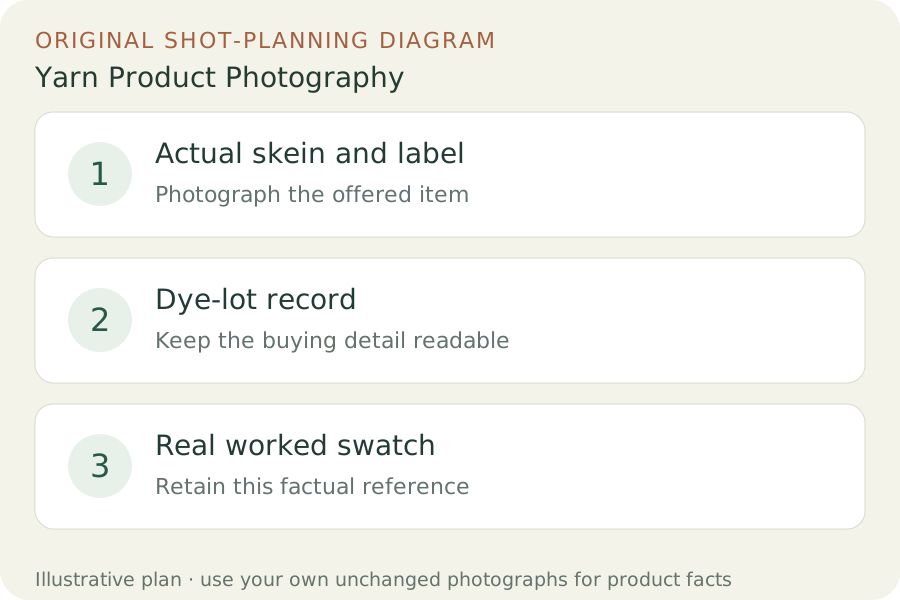
Original teaching diagram: Actual skein and label, Dye-lot record, Real worked swatch
EDITORIAL CONCEPT
01 / EXAMPLEILLUSTRATIVE CONCEPT
What this shows

Give each photograph one clear job.

Use the three labeled views to plan your factual gallery. The outlines show composition roles only; they contain no observed dimensions, verified materials or performance measurements. Keep real photographs beside any secondary scene candidate.

Original teaching diagram: Actual skein and label, Dye-lot record, Real worked swatch
Editorial conceptOriginal teaching diagram for shot planning. Illustrative outlines, not a photograph of inventory, a Fayvoro output or a customer example.

This image is an editorial concept made for the site. It is not a Fayvoro generation or customer result. AI can change product shape, color, packaging, labels, and text. Check every important detail against the real item.

02 / A PRACTICAL WORKFLOWSTART WITH YOUR PHOTO
01

Record the colorway and the batch on real stock

Photograph the actual yarn line and colorway you offer. Keep its ball band legible in a separate close-up, including the relevant batch or dye-lot information when present. Record whether an order can receive mixed lots. A neat stack of several identical-looking skeins cannot by itself establish that their labels match.

Lion Brand explains that yarn from different dye batches can vary in color, including differences that change with the light. Keep your factual color and lot records together instead of asking an image generator to make several skeins look identical. For hand-dyed stock, describe the variation you actually observe and photograph the offered batch or an honestly labeled representative selection.

02

Separate skein color from worked-fabric appearance

Use stable neutral reference light for the skein overview, a close texture view and any side-by-side comparison. Turn the actual skein for another frame when a variegated colorway hides colors on its underside. Leave enough space to see its supplied form: hank, ball or other packaging. Do not imply that a wound cake is how the product arrives unless that is the actual offer.

A knitted or crocheted swatch can show a useful application, but make it from the stated real yarn and record the pattern, needle or hook and any blocking you performed. Label it as an application sample and explain whether it is included. A generated sweater or blanket is not a gauge test, an accurate color-pooling prediction or evidence of the yardage needed to make it.

03

Try a craft-table scene without rewriting the colorway

Choose one rights-cleared skein photograph as the Fayvoro reference. Request a quiet craft-table composition with the whole skein visible. Keep needles, hooks and finished work out unless their status is clear. The attempt does not match dye lots or simulate how this yarn knits.

Check color transitions, fiber appearance, strand thickness, ball-band wording and skein count. Reject a candidate that turns a variegated skein solid, adds glitter or invents a completed garment. Preserve the real label and swatch photographs as buying evidence. An attractive scene can support the story of the yarn without being the record of what a customer will make.
Direction to try

A useful starting note.

Use this as a starting point, then adjust it for your own product. No prompt can guarantee exact product details.

Use my uploaded photograph of this exact yarn skein for a restrained craft-table scene. Keep its real visible colors and supplied form unobstructed in neutral soft light. Add no finished knitting, extra skeins or lettering. I will compare the candidate with the actual colorway and label.
Before you publish

Check the details.

  • Colorway, supplied form and photographed batch match current stock.
  • Dye-lot status is stated from real labels.
  • Reference light remains consistent across comparisons.
  • Any worked swatch is real, documented and labeled as a sample.
  • Generated scene has not invented fibers, projects or extra skeins.
Common questions

A few things to know.

Can a scene make skeins from different lots match?

It may make them look similar, but that would not change the physical yarn. Keep the real batch information and honest color comparisons.

Should I show a finished sweater beside the yarn?

Only as an accurate, clearly labeled application sample, with its inclusion status explicit. It does not replace the skein photograph or the project’s real material requirements.

Can Fayvoro predict color pooling in a project?

This workflow does not demonstrate knitting simulation, gauge or color-pooling prediction. Photograph an actual worked sample when that behavior matters.

Make your image
with intention.

Explore a scene from your real photo