All product image guides Tea Product Photography

Show the dry tea before the serving scene.

A teacup photograph does not show the dry leaves the customer buys. A tea shop can separate actual leaf appearance, package identity and a documented brewed sample. A supporting scene should not invent a different leaf style or a more attractive infusion.

Explore a scene from your real photo Two free credits when you sign up. Review the result before publishing.
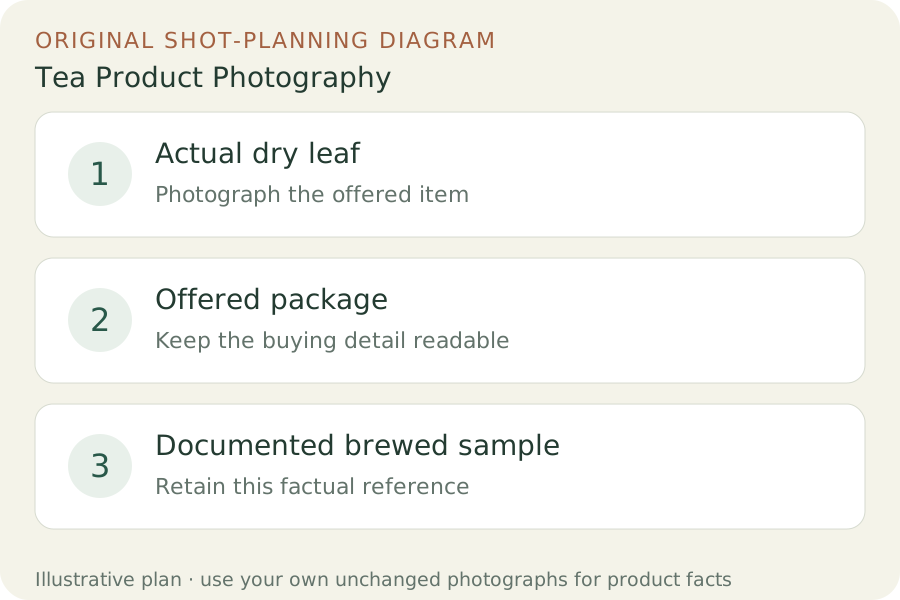
Original teaching diagram: Actual dry leaf, Offered package, Documented brewed sample
EDITORIAL CONCEPT
01 / EXAMPLEILLUSTRATIVE CONCEPT
What this shows

Give each photograph one clear job.

Use the three labeled views to plan your factual gallery. The outlines show composition roles only; they contain no observed dimensions, verified materials or performance measurements. Keep real photographs beside any secondary scene candidate.

Original teaching diagram: Actual dry leaf, Offered package, Documented brewed sample
Editorial conceptOriginal teaching diagram for shot planning. Illustrative outlines, not a photograph of inventory, a Fayvoro output or a customer example.

This image is an editorial concept made for the site. It is not a Fayvoro generation or customer result. AI can change product shape, color, packaging, labels, and text. Check every important detail against the real item.

02 / A PRACTICAL WORKFLOWSTART WITH YOUR PHOTO
01

Keep leaf appearance tied to the current tea

Record the tea name, offered batch or lot where available, pack size and supplier information you can substantiate. Photograph a real dry sample beside a separate package view. Avoid making the leaf sample appear to be the entire ordered quantity. Identify whether the photograph is current stock or a representative sample of a changing agricultural product.

Adagio’s jade oolong page describes a tightly rolled dry-leaf form that differs from the brewed presentation. Your own photographs should document your actual tea rather than borrowing that product description for a different offering. Keep origin, grade and ingredient claims in accurate product information; a pretty leaf close-up cannot authenticate them.

02

Give the dry sample and infusion different captions

Use an overhead dry-leaf view with a neutral surface and enough light to see shape and variation. Add a closer texture image when it helps shoppers distinguish whole, rolled or broken appearance. Do not sort away every small fragment if the real supplied batch contains them. Keep scale references real and separate from the styling frame.

If you show a brewed cup, prepare a real sample and record the tea quantity, water, vessel and relevant preparation conditions. Photograph the actual liquid under consistent light and identify the image as a preparation example. An imagined golden cup is not a color standard or a promise that every preparation looks alike. State whether cups, strainers and other serving tools are excluded.

03

Explore a tea-table scene from one factual photograph

Upload a clear actual tea-package or dry-sample photograph for one Fayvoro scene candidate. Request a calm tea-table surface without adding unfamiliar leaves, flowers or ingredients. The attempt does not brew tea or predict its flavor, strength or resulting liquid color.

Review the package, leaf shape, visible mix, sample amount and any extra serving pieces. Reject invented flowers, fruit or a different leaf form. Keep the unchanged dry sample and documented real infusion as the useful purchasing references. A lifestyle image can suggest a moment without becoming evidence of quality, grade or health effects.
Direction to try

A useful starting note.

Use this as a starting point, then adjust it for your own product. No prompt can guarantee exact product details.

Use my actual loose-leaf tea photograph for one quiet tea-table display scene with soft natural light. Keep the existing package or dry sample unobstructed. Add no brewed liquid, flowers, fruit, leaves or lettering. I will compare the package and leaf form with the real tea.
Before you publish

Check the details.

  • Leaf sample and package match the stated tea and current offer.
  • Sample amount is not mistaken for the entire ordered quantity.
  • Dry shape is documented without inventing a grade or origin.
  • Any infusion photograph is real and has preparation context.
  • Scene adds no unsupported ingredients or health story.
Common questions

A few things to know.

Can a generated cup predict the tea’s brewed color?

No. Brew and photograph a real sample with its preparation context. Vessel, preparation and light can affect the appearance.

Can leaf photos authenticate origin or grade?

Not by themselves. Keep those claims tied to reliable supplier records and product information.

Should I put fruit beside a plain tea package?

Only when the image role is clear and does not imply an ingredient the tea lacks. A restrained scene is easier to keep accurate.

Make your image
with intention.

Explore a scene from your real photo