All product image guides Hat Product Photography

Show the hat shape before asking a buyer to choose a size.

A top view can make two hats look alike while hiding the crown depth, brim curve and adjustment that determine the purchase. Build a factual hat gallery first, then explore a secondary scene from your own photograph.

Explore a scene from your hat photo Two free credits when you sign up. Review the result before publishing.
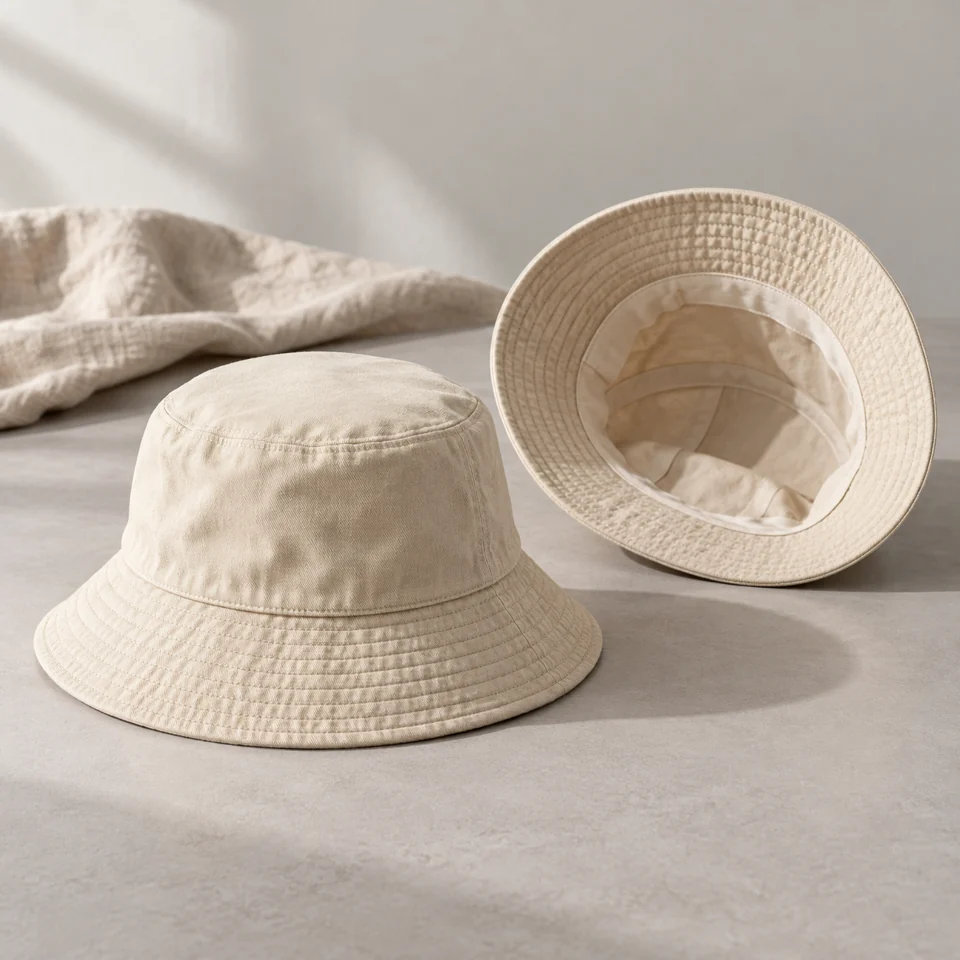
Editorial composition concept for hat product photography
EDITORIAL CONCEPTEDITORIAL CONCEPT. Fictional hat composition for visual direction, not stocked merchandise, exact construction or color evidence, a customer example or a live Fayvoro result.
01 / EXAMPLEILLUSTRATIVE CONCEPT
What this shows

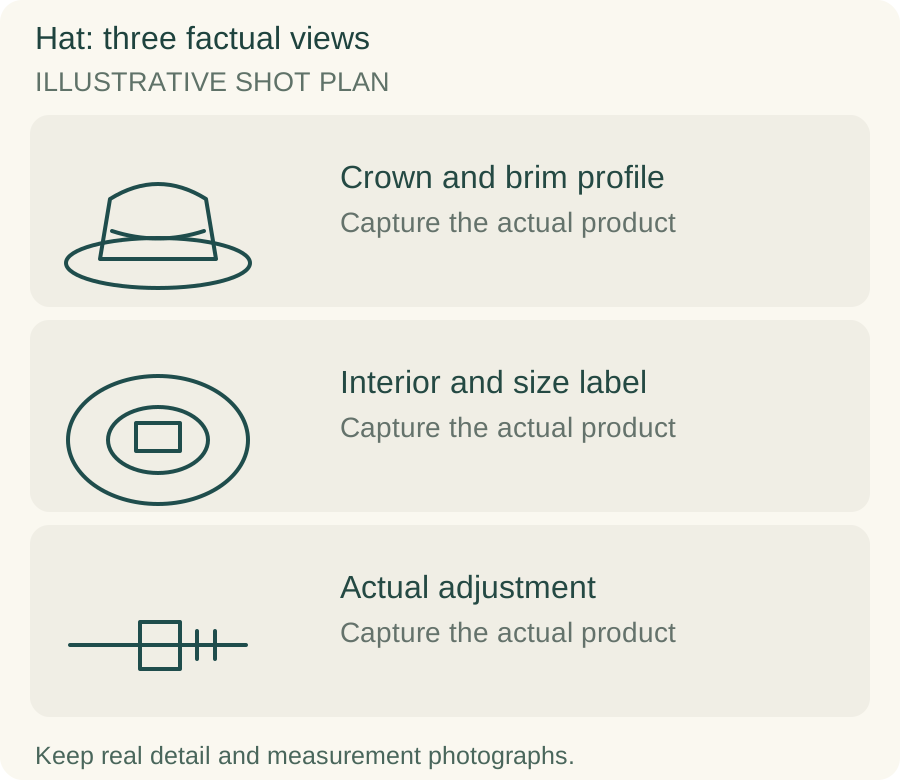
Three different jobs for a hat gallery.

Use the crown and brim profile, interior and size label and actual adjustment panels to plan separate actual-product captures. The teaching outlines contain no observed dimensions, verified specifications or tested performance. They do not replace your real photographs.

Original teaching diagram for hat: Crown and brim profile, Interior and size label, Actual adjustment
Editorial conceptOriginal illustrative shot plan. These outlines are not photographs of stock, measured technical drawings, a Fayvoro output or a customer example.

This image is an editorial concept made for the site. It is not a Fayvoro generation or customer result. AI can change product shape, color, packaging, labels, and text. Check every important detail against the real item.

02 / A PRACTICAL WORKFLOWSTART WITH YOUR PHOTO
01

Keep the crown in its actual shape

Support the crown lightly from inside with a neutral form that does not stretch it. Photograph a three-quarter view at brim height, then a true side profile with the whole brim visible. For a soft bucket hat, show its normal relaxed shape rather than stuffing it into a stiff silhouette. Remove the support from a separate interior view so the buyer can inspect the sweatband.

Take a front, rear and top reference before changing the camera height. Record whether the brim is flat, rolled or normally curved in the supplied state. A wide lens used too close to the brim can make the front appear wider than the back. Step away and compare the photograph with the physical hat instead of correcting its proportions by eye.

02

Make the sizing information inspectable

Photograph the actual size label, material label and adjustment mechanism in close-up. A head circumference chart and the hat body are different pieces of information: use the maker’s sizing method for the exact style, then state the offered size in your listing. Tilley provides a head-measurement guide; its method should not become a universal allowance for every hat brand.

For an adjustable cap, show the clasp or strap and its attachment, with the loose end out of the way. If you add a real on-person view, state the worn size and obtain permission for the photograph. Do not use an imagined head or generated tape measure to claim fit. Brim width and crown height should come from documented measurements of the actual style.

03

Use a scene to suggest a setting, not a different construction

Choose one source where the hat outline is unobstructed. A Fayvoro tabletop or entryway scene can help explore styling, but it does not produce a reliable multi-angle hat record or prove how the hat sits on a head. Keep the real interior, rear adjustment and measured profile in the gallery beside the scene candidate.

Check for a collapsed crown, altered brim edge, added eyelets, a different band and invented logos. Compare the fabric weave and seam direction as well as the overall color. Reject a candidate that turns a soft hat into a rigid one. Sun protection, waterproofing and packability are product claims requiring their own verified information; an attractive outdoor image cannot establish them.
Direction to try

A useful starting note.

Use this as a starting point, then adjust it for your own product. No prompt can guarantee exact product details.

Use my actual hat photo for a secondary scene on a plain entryway shelf in soft side light. Show the entire crown and brim. Add no person, branding or extra hat. I will check the fabric, brim curve, seams and band against the original.
Before you publish

Check the details.

  • Crown height and brim curve agree with the physical hat.
  • Rear adjustment and actual size label have real close-ups.
  • Support and styling props are excluded from included contents.
  • No generated person or ruler is used as fit evidence.
  • Protection and care claims come from the maker’s verified specification.
Common questions

A few things to know.

Should a hat be photographed flat?

A relaxed flat view may suit a soft style, but it cannot replace a profile and interior view. Do not flatten a structured crown just to fit an overhead composition.

Can Fayvoro show accurate hat fit on a person?

This guide does not demonstrate virtual try-on or accurate worn fit. Use a permitted real photograph for size and head placement.

How should I present adjustable sizing?

Show the actual closure, state the maker’s supported range and keep the style-specific sizing method beside the listing. A visible strap alone does not establish the full fit range.

Make your image
with intention.

Explore a scene from your hat photo