All product image guides Cushion Cover Product Photography

Make clear whether buyers receive the cover or the whole cushion.

A plump cushion image can make a cover-only offer look like it includes an insert. Keep empty-cover construction, both sides and any filled styling example clearly separated. A room scene can suggest a look after those buying facts are covered.

Explore a scene from your real photo Two free credits when you sign up. Review the result before publishing.
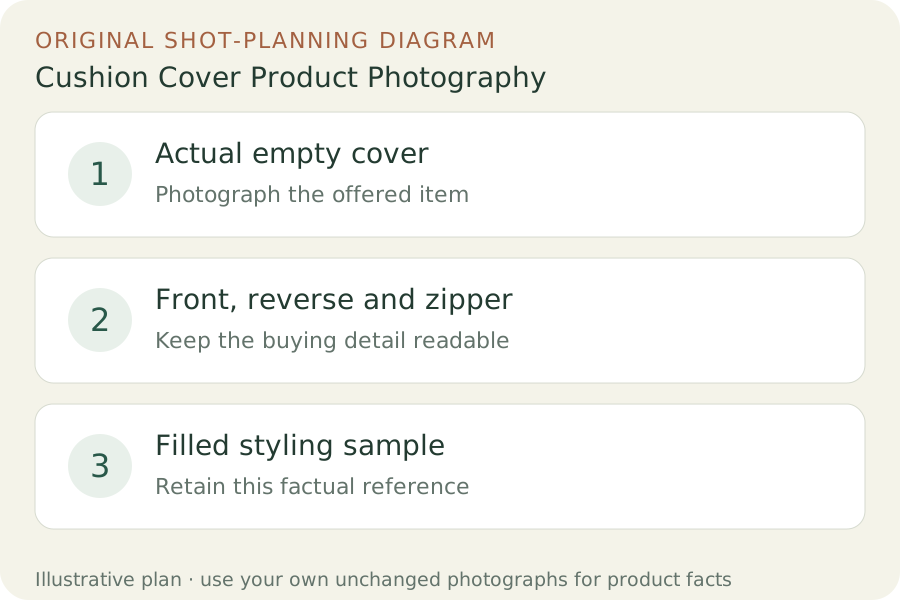
Original teaching diagram: Actual empty cover, Front, reverse and zipper, Filled styling sample
EDITORIAL CONCEPT
01 / EXAMPLEILLUSTRATIVE CONCEPT
What this shows

Give each photograph one clear job.

Use the three labeled views to plan your factual gallery. The outlines show composition roles only; they contain no observed dimensions, verified materials or performance measurements. Keep real photographs beside any secondary scene candidate.

Original teaching diagram: Actual empty cover, Front, reverse and zipper, Filled styling sample
Editorial conceptOriginal teaching diagram for shot planning. Illustrative outlines, not a photograph of inventory, a Fayvoro output or a customer example.

This image is an editorial concept made for the site. It is not a Fayvoro generation or customer result. AI can change product shape, color, packaging, labels, and text. Check every important detail against the real item.

02 / A PRACTICAL WORKFLOWSTART WITH YOUR PHOTO
01

Separate the cover offer from the filled display sample

Record the actual cover size, fabric, design version and whether an insert is supplied. Photograph the empty cover as a real product record, with the opening visible in a separate detail. Then make a filled display photograph using the stated sample insert. Do not let a sofa scene silently become the only explanation of what ships.

IKEA’s IDALINNEA example separately describes its hidden zipper, pattern on both sides and an inner cushion sold separately. Use the distinction for your offer without borrowing that product’s specifications. Keep the real front and back together, especially when the reverse is plain or uses another pattern. A filled sample can change the apparent dimensions and pattern placement.

02

Show flat dimensions and construction before the sofa

Take a nearly square overhead photograph of the empty cover with its full outline in view. Measure the real cover using a clear stated basis rather than measuring a stretched filled sample. Add a close zipper and seam view, then turn the real cover over. Do not digitally duplicate the front to invent a matching reverse.

For the filled sample, choose an insert that accurately explains the presentation and identify it as excluded when not supplied. Keep edge piping, corners, tassels and visible weave readable under gentle side light. A heavily overfilled sample can imply a different shape, and smoothing natural folds can make the cover look stiffer than the actual fabric.

03

Explore a room scene from the real filled sample

Upload one rights-cleared photograph of the actual filled cover for a Fayvoro sofa-display scene. Keep the cover unobstructed and request a quiet setting without extra cushions. The attempt does not calculate insert fit, reconstruct the reverse or predict exact fabric drape.

Review pattern placement, zipper location if visible, trim, shape and count. Reject a candidate that changes the back or adds an included insert by implication. Retain the empty-cover and real construction photographs in the sales gallery, with an explicit cover-only statement where applicable. The room concept should make the display easier to imagine without replacing the offer record.
Direction to try

A useful starting note.

Use this as a starting point, then adjust it for your own product. No prompt can guarantee exact product details.

Use my photograph of this actual filled cushion-cover sample for one calm sofa-display scene. Keep the existing pattern, trim and silhouette visible in soft daylight. Add no cushions or new fabric details. The insert is a styling sample unless my offer says otherwise; I will compare the candidate with the real cover.
Before you publish

Check the details.

  • Cover-only or cover-and-insert offer is explicit.
  • Empty-cover dimensions have a stated measurement basis.
  • Real front and reverse are independently photographed.
  • Zipper, seams and trim agree with the supplied cover.
  • Filled example and scene do not invent an included insert.
Common questions

A few things to know.

Can a filled cushion photograph represent a cover-only offer?

It can be a clear styling example, but say that the insert is excluded and retain real cover-construction photographs. Do not leave inclusion to guesswork.

Should I measure the cover while stuffed?

State the actual measurement basis. A filled cushion can change apparent size and shape, so keep a factual flat-cover record when explaining cover dimensions.

Can Fayvoro show the unseen reverse?

A reverse imagined from a front source is not evidence of the actual design. Turn the real cover over and photograph it.

Make your image
with intention.

Explore a scene from your real photo