All product image guides Watch product photography

Show the watch a buyer will actually receive.

A watch can look impressive while its dial is unreadable and its clasp remains unseen. Build a factual set for the exact item, then test a secondary composition without replacing evidence of markings, wear or included accessories.

Explore one scene from your watch photo Two free credits when you sign up. Review the result before publishing.
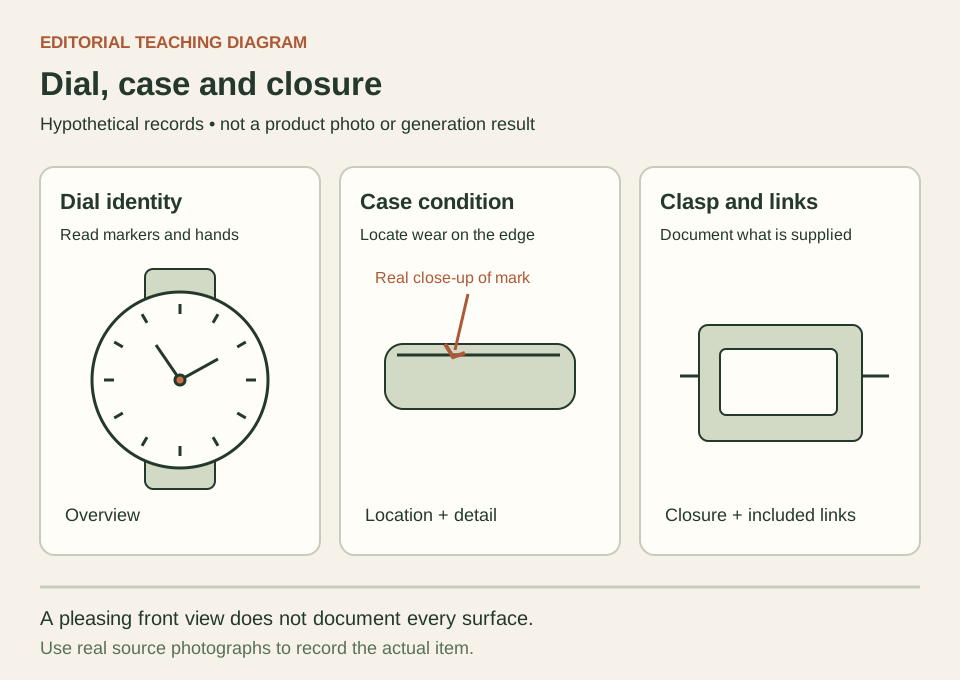
Teaching diagram separating a watch dial overview, case-edge condition view and clasp view
EDITORIAL CONCEPT
01 / EXAMPLEILLUSTRATIVE CONCEPT
What this shows

Three views answer three different questions.

The diagram separates readable dial identity, case condition and bracelet closure. A beautiful front view cannot answer all three. Use your own unchanged photographs for those records; the diagram contains no observed watch measurements or verified condition grade.

Teaching diagram separating a watch dial overview, case-edge condition view and clasp view
Editorial conceptOriginal teaching diagram, not a product photograph, Fayvoro generation or customer result. The watch outline and callouts are schematic. They show a shot plan, not a branded watch or a preservation test.

This image is an editorial concept made for the site. It is not a Fayvoro generation or customer result. AI can change product shape, color, packaging, labels, and text. Check every important detail against the real item.

02 / A PRACTICAL WORKFLOWSTART WITH YOUR PHOTO
01

Create a record for this exact watch

Before setting the lights, write down the item identifier, documented model or reference, dial color, strap or bracelet, and what comes in the sale. Keep box, papers, spare links and other accessories in separate rows with an included or excluded status. A family resemblance to another model is not enough to reuse its gallery. If a reference is uncertain, resolve it from the owner's records rather than inventing lettering in an image.

Make a front view, both case sides, case back, closure and strap or bracelet view. Add close-ups for visible wear, changed parts or details a buyer has asked about. Chrono24's seller FAQ specifically asks for high-quality views from different angles with scratches or dents clearly visible, and explains that references identify a model or variant. Those are marketplace instructions; this shot plan is a practical way to organize the factual photographs.

  • Assign one exact inventory ID to every source file and condition note.
  • Photograph included accessories together, then retain a separate unobstructed watch view.
02

Separate glare from the surface underneath

Set the watch on a stable support and take one trial before batching the gallery. Move a broad light or white card while keeping the camera and watch position fixed. Compare whether the hands, indices and date window become readable. Changing everything at once makes it difficult to tell which adjustment helped. A dark reflection can describe the case shape, but it should not conceal the very edge you need to show.

Take an additional condition view with light that reveals the relevant area, even when that image is less dramatic. Compare the same scratch in an overview and a closer frame so a buyer can locate it. Do not smooth a dent, repaint a dial mark or polish a worn bracelet digitally for the factual listing. Keep contrast changes modest enough that the condition photograph still agrees with the item in front of you.

03

Give a scene candidate a limited, reviewable role

Once the real gallery is complete, choose one rights-cleared source with a readable whole watch for a Fayvoro scene attempt. Describe a quiet surface, soft light and empty space around the subject. Fayvoro works from one uploaded image in this attempt; it does not combine your case, clasp and dial views into a certified reconstruction. The other photographs remain independent references for your own manual comparison.

Inspect the result for changed hands, duplicated markers, invented dial text, case proportions, crown location, missing links and a different closure. If any fact is unclear, keep that candidate out of the sales gallery. A request to preserve the watch is direction, not a guarantee. Confirm the destination marketplace's current image rules, retain the original condition photos, and use an explicitly identified concept only where that role is permitted.
Direction to try

A useful starting note.

Use this as a starting point, then adjust it for your own product. No prompt can guarantee exact product details.

Use my uploaded photograph of this exact watch as the reference for one secondary scene on a quiet matte surface. Keep the entire watch visible with soft side light and space around it. Do not add accessories, dial lettering or extra hands. I will compare all markers, case details and visible wear with the real source before any use.
Before you publish

Check the details.

  • Dial marks, hands, date window and text match the factual source.
  • Case profile, crown, lugs, strap and closure belong to the exact inventory item.
  • Scratches and dents remain documented in unchanged condition photographs.
  • Box, papers and spare links are shown only when included.
  • The image role and the destination marketplace's current rules are checked.
Common questions

A few things to know.

Can a generated watch image establish authenticity?

No. A scene candidate cannot authenticate a watch, its movement, reference or replacement parts. Keep the factual records and any appropriate independent inspection separate. Do not turn an attractive generated dial into an authenticity statement.

Should every dial be set to the same time?

Use a consistent presentation only when it suits the actual watch and preserves required evidence. Follow a marketplace's specific possession or security-photo instruction with a real photograph. A generated arrangement of the hands is not that evidence.

What if the reflection makes a scratch disappear?

Keep another real frame that clearly shows the mark, plus an overview that locates it. Choose lighting for readable condition, not only for a pleasing hero. The absence of a visible mark in one angle does not prove that the item is unmarked.

Make your image
with intention.

Explore one scene from your watch photo