All product image guides Subscription box product photography

Show which box the subscriber is looking at.

A subscription gallery can mix this month's box, a previous selection and a styled scene without making the difference obvious. Give every image a clear role and time period, with real contents and quantities documented before generating anything.

Explore a secondary scene from your actual box Two free credits when you sign up. Review the result before publishing.
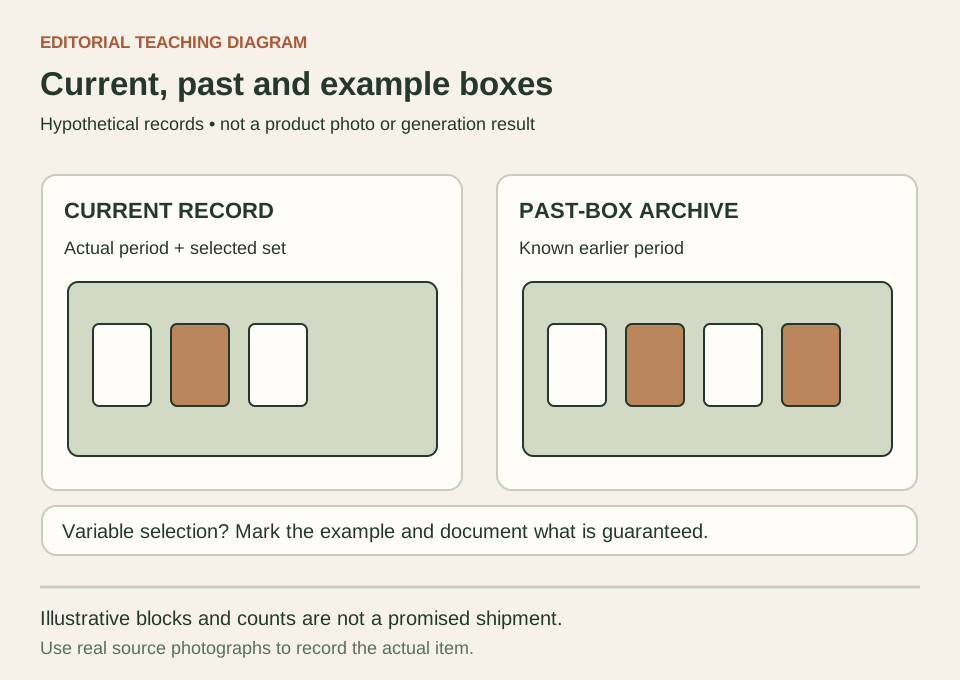
Teaching diagram separating a current fictional box contents record from a past-box archive and a variable-selection note
EDITORIAL CONCEPT
01 / EXAMPLEILLUSTRATIVE CONCEPT
What this shows

Current contents and an archive belong in different records.

The schematic connects a box image to an explicit contents record and keeps the past example apart. It does not state what any real subscriber receives. Build your record from the actual period, selected offer and fulfillment information.

Teaching diagram separating a current fictional box contents record from a past-box archive and a variable-selection note
Editorial conceptOriginal teaching diagram, not a product photograph, Fayvoro generation or customer result. Boxes and item counts are hypothetical record examples, not actual inventory, a shipped subscription or a generated customer result.

This image is an editorial concept made for the site. It is not a Fayvoro generation or customer result. AI can change product shape, color, packaging, labels, and text. Check every important detail against the real item.

02 / A PRACTICAL WORKFLOWSTART WITH YOUR PHOTO
01

Define the current offer before arranging the photograph

Write down the box identifier, applicable period, edition or selection, and the contents known at the time of photography. Give each product a quantity and an included status. Keep packaging inserts, display stands and styling props in separate rows. If different subscribers receive different selections, document which photographed set is an example and which components are guaranteed; do not turn one attractive combination into a universal promise.

Cratejoy's listing-image guidance asks sellers to focus on what comes in the subscription and make the first image set expectations clearly. Its listing guidance also separates current boxes, past boxes and surprise or personalized selections. Those are useful marketplace distinctions. This page's contents record is a manual planning method, not a Cratejoy integration or a forecast of what your future procurement will supply.

  • Give each photograph a period, edition and role: current, past, example or concept.
  • Count the physical included products separately from packaging and styling props.
02

Capture the real contents in a traceable sequence

Start with a complete factual layout in which the actual contents can be counted. Keep the unopened branded box as a separate view when it helps explain packaging, then add individual product details and a real unboxing sequence if useful. Use the same selected set throughout the session. If an item is substituted, record that change and reshoot the relevant views instead of leaving a mixture of incompatible sets in the gallery.

Check each export against your contents record. A small jar hidden behind a large package may look absent, while duplicated arrangements can imply two units instead of one. Ensure essential labels and packaging sizes are readable in at least one real view. Explain period and selection in the surrounding listing fields; do not automatically place captions on the image because a destination may restrict overlaid text. Consult that channel's current requirements before uploading.

03

Keep an atmosphere concept from promising different contents

Once the factual layout is complete, use one rights-cleared photo for a Fayvoro scene attempt if the destination permits that role. Ask for a quiet setting without new objects and compare the result manually. Fayvoro does not maintain a box catalog, import your fulfillment records or verify a monthly contents list. One uploaded image guides this attempt; it cannot guarantee that several packages remain exact.

Review product count, size relationships, packaging text, seals and any visible selection. Reject an extra item, an upgraded-looking package or a missing component. Keep the real layout as the contents evidence and the old box photographs in a clearly identified archive. When the contents are not yet known, a labeled concept can help plan a campaign, but it cannot serve as a factual preview of a promised shipment.
Direction to try

A useful starting note.

Use this as a starting point, then adjust it for your own product. No prompt can guarantee exact product details.

Use my uploaded photograph of this actual subscription-box set for one secondary scene on a quiet surface. Keep all visible included items and the box unobstructed with soft light. Do not add products, duplicate packages, change labels or invent a future selection. I will manually compare the count and packaging with the contents record and clearly identify the image's period and role.
Before you publish

Check the details.

  • Every image has a known period, edition and current/past/example/concept role.
  • Actual product count agrees with the current selected offer.
  • Styling props, inserts and separately sold items have explicit status.
  • Packaging and item details remain supported by real close-ups.
  • A generated candidate does not imply different contents or a guaranteed future shipment.
Common questions

A few things to know.

Can I keep last month's attractive box as the cover?

Only use a past example in a role that is clearly understood and permitted by the channel. Do not leave a buyer believing those are the current promised contents. Keep the current offer and any archival image distinguishable in the listing.

What if the box is intentionally a surprise?

State what is known and which photographed selection is merely an example. Keep any guaranteed count or category supported by the actual offer. An illustrative composition should not quietly turn optional or possible products into guaranteed inclusions.

Does a scene candidate check whether every item is included?

No. Fayvoro generates an image candidate rather than reconciling a contents list. Count the real items first and compare the generated result manually. A plausible flat lay can still duplicate or omit a product.

Make your image
with intention.

Explore a secondary scene from your actual box