All product image guides Plush Toy Product Photography

Keep the face recognizable and the size basis clear.

A soft toy can look much taller when posed differently or measured through ears and limbs. Build a gallery around the actual item, its face and its natural posture. A shelf scene is presentation; it cannot establish dimensions, materials or toy performance.

Explore a scene from your real photo Two free credits when you sign up. Review the result before publishing.
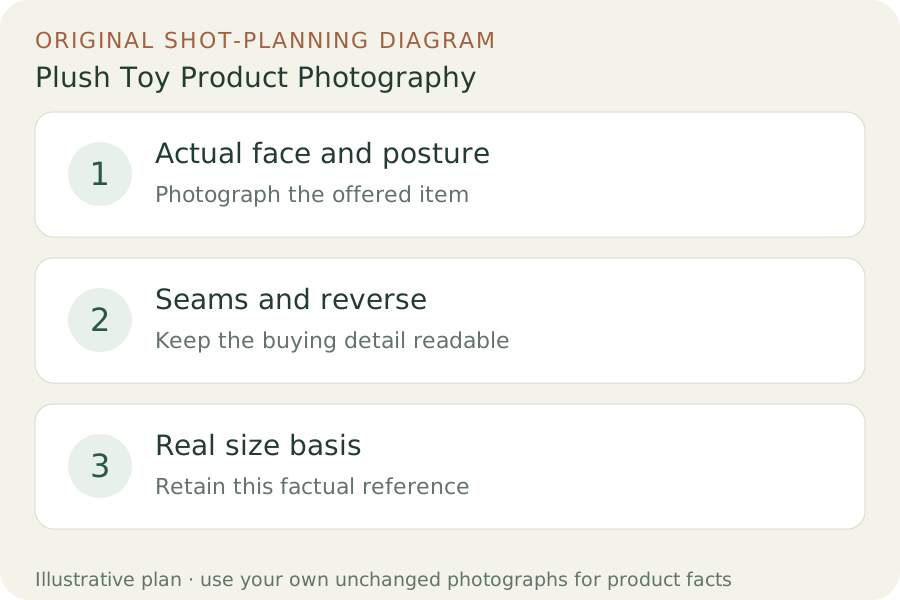
Original teaching diagram: Actual face and posture, Seams and reverse, Real size basis
EDITORIAL CONCEPT
01 / EXAMPLEILLUSTRATIVE CONCEPT
What this shows

Give each photograph one clear job.

Use the three labeled views to plan your factual gallery. The outlines show composition roles only; they contain no observed dimensions, verified materials or performance measurements. Keep real photographs beside any secondary scene candidate.

Original teaching diagram: Actual face and posture, Seams and reverse, Real size basis
Editorial conceptOriginal teaching diagram for shot planning. Illustrative outlines, not a photograph of inventory, a Fayvoro output or a customer example.

This image is an editorial concept made for the site. It is not a Fayvoro generation or customer result. AI can change product shape, color, packaging, labels, and text. Check every important detail against the real item.

02 / A PRACTICAL WORKFLOWSTART WITH YOUR PHOTO
01

Connect the photographed posture to the size description

Record the character, model, color and selected size of the actual toy. Take a clear front view in its natural sitting, standing or lying posture, then a side and reverse view. Do not substitute the larger version’s face for a smaller product that has different proportions. Keep actual-item photos for unique handmade stock or identify representative production examples.

Jellycat’s measuring guide explains different dimension and sitting-height bases for different toy shapes. Apply that lesson to your own record: state what your height or length includes instead of assuming every seller measures ears, tails and legs identically. Use real measurements and the exact maker’s product information, not the apparent scale of a generated shelf or a child.

02

Show the expression and construction without changing either

Use a broad light that reveals the eyes, nose and stitched mouth without burying them in fur shadows. Add a closer real face photograph, then a seam or underside detail when it answers a buying question. Keep the actual fur direction and limb attachment visible. Do not digitally move the eyes to make the expression more appealing.

Position the real toy without pulling ears or limbs into a shape it does not naturally hold. Keep any stand visible or explain it as a support where necessary. Take a separate real measurement photograph using your stated posture. Material, care and age-related product statements belong to exact maker records; neither a gentle expression nor a staged nursery establishes them.

03

Try a quiet shelf composition from one toy image

Upload one rights-cleared photograph of the actual toy for a Fayvoro product-only display scene. Request a plain shelf or tabletop with no person, extra toy or changed pose. Keep the real face, seams and measured views outside the attempt. This does not demonstrate pose reconstruction or child-size accuracy.

Review facial spacing, embroidery, limb count, tail, texture and posture. Reject a new expression, added limbs or smooth seams that disagree with the product. A plush-looking candidate is not evidence of softness or construction quality. Preserve the factual photographs when identity is difficult to verify, particularly for distinctive character designs.
Direction to try

A useful starting note.

Use this as a starting point, then adjust it for your own product. No prompt can guarantee exact product details.

Use my real plush toy photograph for one quiet shelf-display scene. Keep its actual visible face, limbs and natural posture unobstructed in soft light. Add no person, extra toy, lettering or new facial detail. I will compare the expression and construction with the real item.
Before you publish

Check the details.

  • Character, color and size option match the actual source.
  • Face spacing and stitched expression remain unchanged in the buying record.
  • Limbs, tail and seams are documented in real views.
  • Dimensions state the real posture and measurement basis.
  • Scene is not used as material, fit or product-performance proof.
Common questions

A few things to know.

Can a nursery scene show the toy’s real size?

No. Perspective and imagined room objects are not measurements. Provide real dimensions with the posture and measurement basis stated.

Can generation improve a toy’s facial expression for the listing?

A changed face may be a different product. Compare eyes, nose and stitching with the actual item and reject altered identity in a sale image.

Should ears or tails count in the height?

Use and explain the basis appropriate to the actual product information. Do not assume every maker measures them the same way.

Make your image
with intention.

Explore a scene from your real photo