All product image guides Makeup Brush Product Photography

Keep the brush head shape readable from more than one angle.

A brush photographed from the wrong angle can make a flat head look domed or conceal an angled cut. Photograph the actual head profile and handle before adding a vanity composition. The image should help shoppers identify the brush, not invent how it performs on skin.

Explore a scene from your real photo Two free credits when you sign up. Review the result before publishing.
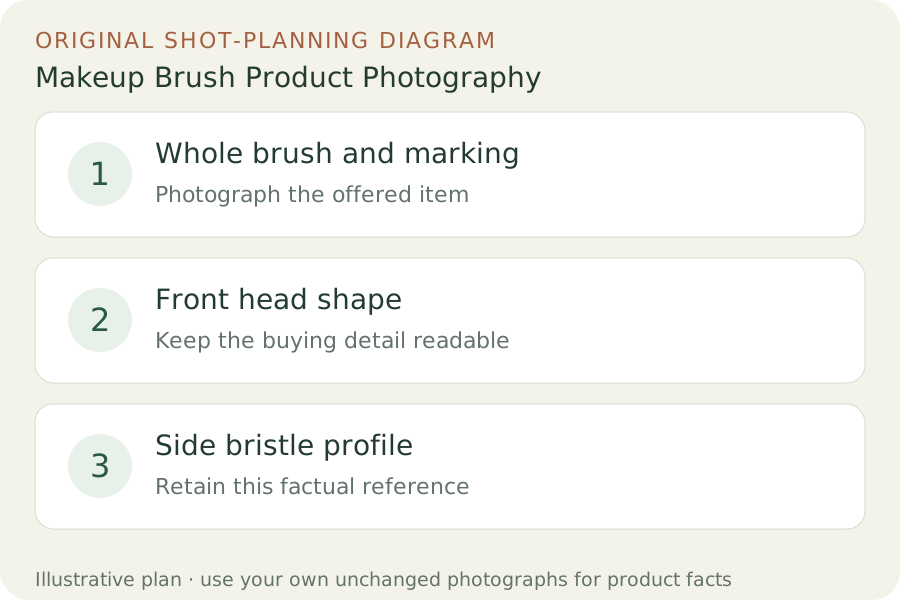
Original teaching diagram: Whole brush and marking, Front head shape, Side bristle profile
EDITORIAL CONCEPT
01 / EXAMPLEILLUSTRATIVE CONCEPT
What this shows

Give each photograph one clear job.

Use the three labeled views to plan your factual gallery. The outlines show composition roles only; they contain no observed dimensions, verified materials or performance measurements. Keep real photographs beside any secondary scene candidate.

Original teaching diagram: Whole brush and marking, Front head shape, Side bristle profile
Editorial conceptOriginal teaching diagram for shot planning. Illustrative outlines, not a photograph of inventory, a Fayvoro output or a customer example.

This image is an editorial concept made for the site. It is not a Fayvoro generation or customer result. AI can change product shape, color, packaging, labels, and text. Check every important detail against the real item.

02 / A PRACTICAL WORKFLOWSTART WITH YOUR PHOTO
01

Match head profile and handle to the selected brush

Record the actual model, head shape and supplied count. Make a whole-brush image where the handle and ferrule remain visible, plus front and side head views. Keep any genuine printed identifier in a real closer photograph. Do not reuse a dome-shaped head for a flat-top option because the handle color matches.

Real Techniques identifies the custom-cut head shape of its round base brush. Use the distinction for your own listing: shape is a visual product fact, while application coverage and bristle-material claims need exact documentation. A photograph of dense-looking bristles does not establish softness, vegan status or a blending result for another merchant’s brush.

Plan eyeshadow palette product photographs — Plan eyeshadow palette product images with the real pan order, packaging and separate truthful swatch photos. Use AI scene exploration without treating generated color as performance evidence.

02

Make the bristles legible without inventing density

Support the brush without bending the head and use soft directional light that separates bristles from the background. Take a trial with the actual head square to the camera, then a side view to reveal its cut. Preserve the real color transition and edge. Aggressive sharpening can make a soft edge look coarse, while smoothing can erase the cut shoppers are comparing.

Photograph a set with the actual included pieces and keep a separate single-brush view. If showing a used demonstration brush with makeup on it, label it as a sample rather than unused sale stock. A real application example can be useful with clear context, but a generated cheek or product swatch is not evidence of the brush’s coverage or blending performance.

03

Try a vanity scene without changing the tool

Upload one clear brush photograph for a Fayvoro vanity-display candidate. Request a plain tabletop and no cosmetics touching the bristles. Keep the actual head-profile and handle-marking frames in the gallery. This workflow does not demonstrate skin application, bristle simulation or a performance test.

Compare the head angle, bristle length appearance, ferrule, handle shape and count with the source. Reject a flat head turned round, added branding or a different material finish. Keep scene cosmetics excluded unless they are part of the actual offer. Use a factual photograph when fine bristle details cannot be confidently reviewed.
Direction to try

A useful starting note.

Use this as a starting point, then adjust it for your own product. No prompt can guarantee exact product details.

Use my actual makeup brush photograph for a quiet vanity-table display. Keep the existing bristle head, ferrule and handle visible in soft neutral light. Add no makeup, skin, cosmetics, extra brushes or lettering. I will compare the head profile with my real front and side photographs.
Before you publish

Check the details.

  • Head profile and model marking belong to the selected brush.
  • Front and side views explain the actual cut.
  • Bristle texture has not been smoothed into another head shape.
  • Set count and any used demonstration sample have clear status.
  • Scene makes no skin-application or blending-performance claim.
Common questions

A few things to know.

Can a single front view distinguish every head shape?

Not always. Add a real side profile when the cut or angle matters. A similar handle color does not identify the brush head.

Can Fayvoro show how the brush applies makeup?

This page explores a product-only scene. It does not demonstrate accurate skin application, coverage or blending performance.

Does a soft-looking head prove a bristle material?

No. Use exact maker documentation for material and related claims. A generated texture cannot authenticate them.

Make your image
with intention.

Explore a scene from your real photo