All product image guides Luggage Product Photography

Photograph the suitcase as a complete travel object.

A front-facing shell image can hide wheel wear, interior layout and the protrusions that affect total size. Document those details before creating a travel-inspired scene around the actual suitcase.

Explore a scene from your luggage photo Two free credits when you sign up. Review the result before publishing.
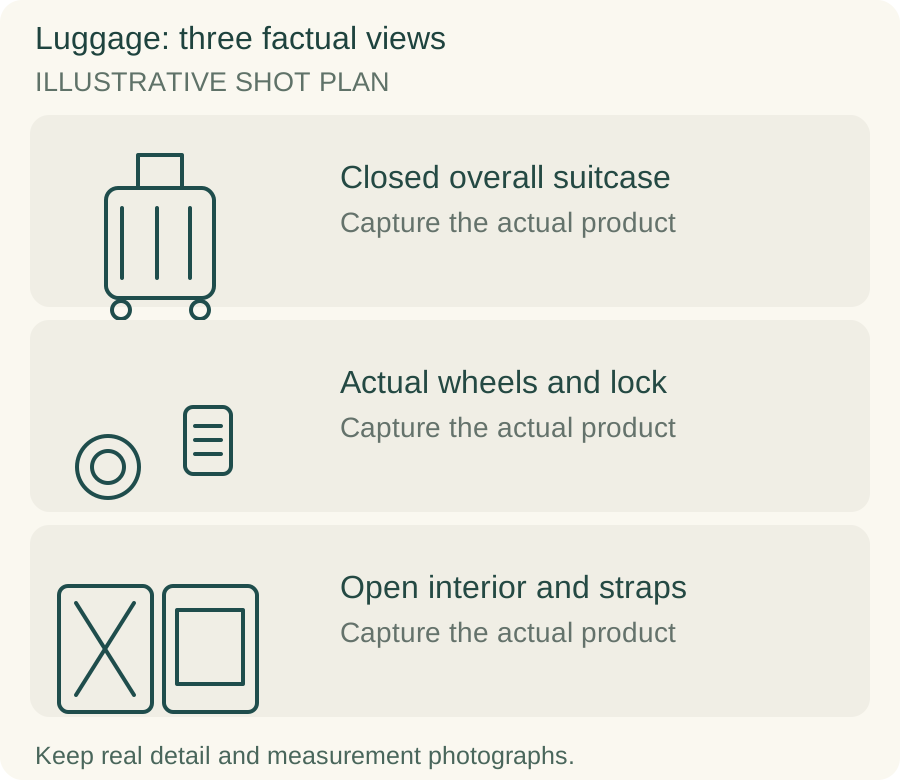
Original teaching diagram for luggage: Closed overall suitcase, Actual wheels and lock, Open interior and straps
EDITORIAL CONCEPTOriginal illustrative shot plan. These outlines are not photographs of stock, measured technical drawings, a Fayvoro output or a customer example.
01 / EXAMPLEILLUSTRATIVE CONCEPT
What this shows

Three different jobs for a luggage gallery.

Use the closed overall suitcase, actual wheels and lock and open interior and straps panels to plan separate actual-product captures. The teaching outlines contain no observed dimensions, verified specifications or tested performance. They do not replace your real photographs.

Original teaching diagram for luggage: Closed overall suitcase, Actual wheels and lock, Open interior and straps
Editorial conceptOriginal illustrative shot plan. These outlines are not photographs of stock, measured technical drawings, a Fayvoro output or a customer example.

This image is an editorial concept made for the site. It is not a Fayvoro generation or customer result. AI can change product shape, color, packaging, labels, and text. Check every important detail against the real item.

02 / A PRACTICAL WORKFLOWSTART WITH YOUR PHOTO
01

Capture the assembled exterior and its working parts

Photograph the real suitcase upright, from the rear and from the side with the wheels visible. Take separate frames with the telescopic handle collapsed and extended. For a resale item, show actual scuffs and wear rather than processing them away. Keep the chosen expansion state consistent with the offer and identify an expanded demonstration as a different state.

Add close-ups for each type of wheel, the lock, zipper pulls and carrying handles. An attractive shell can hide a damaged wheel or a mismatched part. The actual interior label can help identify the model; photograph it where relevant without publishing private ownership or travel information. Do not replace a used part with an imagined clean version in a scene.

02

Show interior layout and overall dimensions separately

Open the suitcase and photograph its actual compartments, lining, straps and removable items. Count the supplied packing pieces in a separate contents frame. Keep empty and packed views apart so a shopper can inspect the construction without guessing what the props conceal. A neatly packed image is an example of use, not a verified capacity measurement.

Samsonite’s guidance includes protruding wheels and handles when calculating overall linear dimensions and advises checking the airline’s current rules. Record actual closed dimensions with a genuine tool and state the expansion status. Do not infer cabin acceptance from a product name, an airport scene or a generated overhead compartment. Carrier requirements and a particular trip need their own current check.

03

Explore travel presentation without promising acceptance

Use a rights-cleared real photograph to explore a simple entryway or hotel-room setting in Fayvoro. Keep the suitcase outline and wheel contact visible. A generated environment does not test wheel durability, lock performance, waterproofing or an airline’s size limit. The factual exterior and interior photographs remain the product record.

Compare wheel count, handle design, lock placement, shell grooves and zipper path with the actual case. Look for the removal of existing wear on a used item and for seams that imply a different model. Reject an output that changes the hardware. Do not present an imagined airline logo or cabin environment as endorsement or confirmed travel suitability.
Direction to try

A useful starting note.

Use this as a starting point, then adjust it for your own product. No prompt can guarantee exact product details.

Place my actual closed suitcase on a simple entryway floor in natural side light. Keep the real wheels, collapsed handle and shell pattern visible. Add no airline branding, new lock, luggage tag or extra bag. I will verify hardware and condition against the source.
Before you publish

Check the details.

  • Actual wheel count, handles, lock and zipper path are documented.
  • Used-item wear remains visible in factual photographs.
  • Overall dimensions state closed or expanded status and include protrusions as required.
  • Interior and supplied accessories are shown separately from packed props.
  • No scene is treated as airline acceptance or durability evidence.
Common questions

A few things to know.

Does a carry-on product name guarantee airline acceptance?

No. Compare the actual overall dimensions with the carrier’s current requirements for the relevant ticket and trip. A generated airport scene supplies no acceptance evidence.

Should dimensions include wheels and handles?

Use the applicable measurement convention. Samsonite’s overall linear-dimension guidance includes protruding wheels and collapsed handles; state the method rather than mixing shell and overall sizes.

Can AI remove scuffs from a resale suitcase?

Do not use a cleaned-up scene to misrepresent its condition. Keep actual damage and wear photographs, and reject a candidate that upgrades the sold item’s condition.

Make your image
with intention.

Explore a scene from your luggage photo