02 / A PRACTICAL WORKFLOWSTART WITH YOUR PHOTO
01Connect the nib choice to the photographed pen
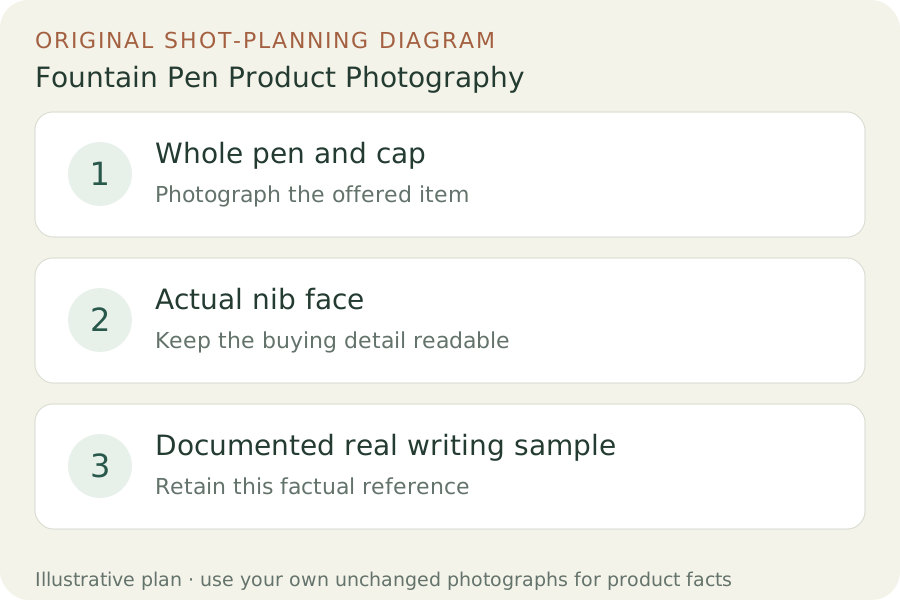
Record the maker, model, finish and installed nib option as a single product selection. Take a whole capped view and an uncapped view with the nib visible. Show the actual nib face closely enough to read its genuine markings. Do not reuse the medium-nib detail for an extra-fine listing merely because the pen barrel is identical.
Goulet Pens distinguishes visible nib construction from the line-width choice a nib produces. Use that distinction in the gallery: a close-up identifies the fitted part, while a real writing sample answers a different question. Keep any stated nib material tied to the maker’s specification or reliable item records rather than inferring it from a gold-colored surface.
Build a readable nib detail and a controlled writing record
Rest the pen securely and angle a broad reflection so it does not cover the nib imprint or tipping area. Take a separate feed-side view when it helps identify the model. Keep the grip and cap threads visible in another close-up if they matter to buyers. Avoid disassembling a pen simply to stage components you cannot reliably reassemble or document.
When offering a writing sample, state the actual pen, nib, ink and paper used. Photograph the real marks at a clear orientation and retain the original file. Do not replace a scratchy or inconsistent line with a smooth invented sample. If the pen being sold is unused and untested, say so rather than making a generated sample look like a trial of that exact unit.
Use a desk scene after the technical buying record
Upload one actual pen photo for a Fayvoro scene attempt, choosing capped or uncapped according to the role. Ask for a quiet writing-desk setting without invented handwriting, extra pens or a new nib. Keep the genuine nib and sample photographs alongside the secondary image.
Review the cap clip, barrel finish, nib outline, imprint and feed. Look for duplicated caps, an invented filling window or lettering that now implies a different model. Reject changed parts. The candidate cannot establish writing smoothness, flexibility, capacity or filling-system performance, regardless of how plausible the staged page looks.