All product image guides AI candle product photography

Give candle product photography the right glow.

Candle images sell atmosphere as well as shape. Describe a new concept when you are exploring a line, or upload a photo of your real candle when packaging and vessel details matter.

Start with your candle photo Two free credits when you sign up. Review the result before publishing.
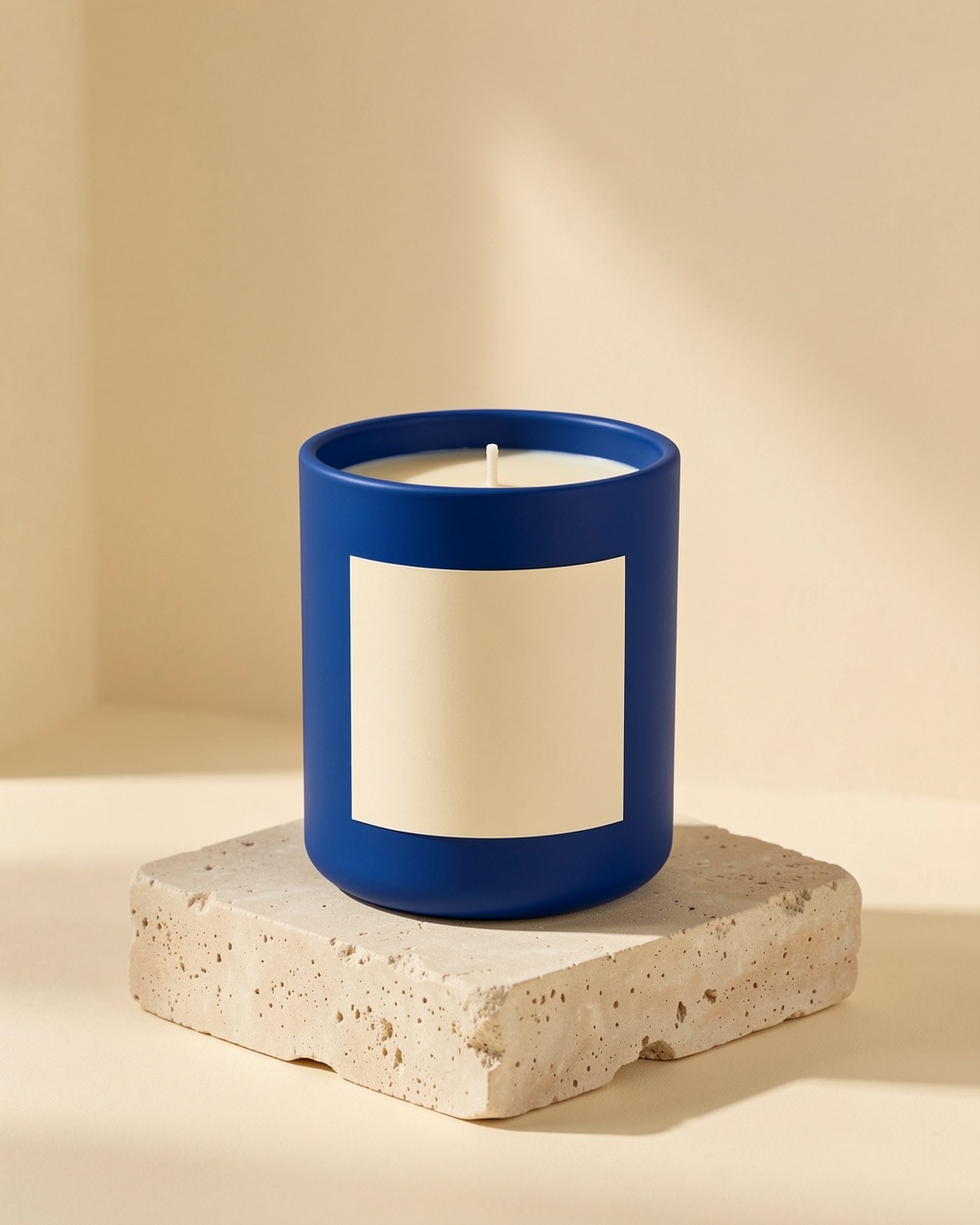
Cobalt blue candle concept generated by the live Fayvoro service from text alone
LIVE FAYVORO RESULT
01 / EXAMPLEGENERATED WITH FAYVORO
What this shows

A candle idea from words.

This cobalt candle is a real Fayvoro output made from text alone. It demonstrates concept exploration; it does not show how precisely the service can retain an existing candle vessel or label from a photo.

Cobalt blue candle concept generated by the live Fayvoro service from text alone
Live Fayvoro resultGenerated by the live service from a description with no photo input. It is a concept, not a photo of a stocked candle or a photo-to-scene fidelity test.

This is one demonstration result; your result may differ. AI can change product shape, color, packaging, labels, and text. Check every important detail against the real item.

02 / A PRACTICAL WORKFLOWSTART WITH YOUR PHOTO
01

Decide whether this is a concept or a SKU

If the candle does not exist yet, describe the vessel, wax color, and mood in text mode. If customers can buy it now, upload a clean photo of that candle so the generator has a visual reference. Avoid presenting a text-only concept as a photograph of inventory.

02

Make the atmosphere work for the wax

Choose a surface and light that fit the intended feeling without hiding the vessel. A dark room can make a flame dramatic but may bury the label; a pale shelf can show glass and wax more clearly. Leave enough empty area for a square or portrait crop before adding marketing copy outside the image.

  • For an unlit candle, check that the wick, wax surface, and lid state are believable.
  • For a lit candle, inspect the flame and shadows closely; an attractive glow does not establish safe burn behavior.
03

Review every physical cue

Compare the container shape, lid, number of wicks, wax color, label wording, and any fragrance or ingredient claim with the real product. A generated scene should never imply a scent, size, or burn time that you have not verified.
Direction to try

A useful starting note.

Use this as a starting point, then adjust it for your own product. No prompt can guarantee exact product details.

Use the uploaded candle photo as the reference. Place the candle on a simple stone table in warm evening light, with the vessel fully visible and space around it. Do not add label text, extra wicks, or other products.
Before you publish

Check the details.

  • Vessel, lid, wax color, and wick count match the actual candle.
  • Flame and shadows look plausible if the candle is shown lit.
  • Label and fragrance wording are correct or intentionally out of view.
  • The image is labeled as a concept if it started from text alone.
Common questions

A few things to know.

Was the blue candle made from an uploaded product photo?

No. It is a real Fayvoro generation from a text description. It represents an imagined candle concept.

Should I upload a candle photo for a listing?

Use your real product photo as the starting reference if the listing must represent a specific candle. Review the generated vessel and label before publishing.

Can an image prove how a candle burns?

No. A generated flame is visual direction only. Do not infer burn time, safety, or performance from the picture.

Make your image
with intention.

Start with your candle photo