All product image guides Bouquet Product Photography

Show the arrangement behind the occasion.

A florist photo often represents a seasonally changing arrangement rather than an identical manufactured item. Photograph the offer honestly: what size is shown, which flowers are specified, and whether a vase is included. A room scene must preserve those distinctions.

Explore a scene from your real photo Two free credits when you sign up. Review the result before publishing.
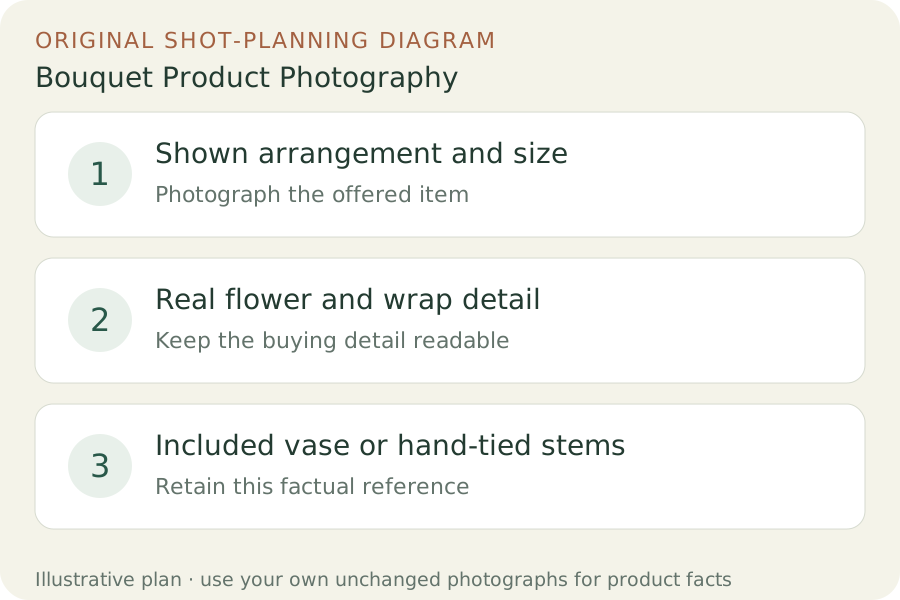
Original teaching diagram: Shown arrangement and size, Real flower and wrap detail, Included vase or hand-tied stems
EDITORIAL CONCEPT
01 / EXAMPLEILLUSTRATIVE CONCEPT
What this shows

Give each photograph one clear job.

Use the three labeled views to plan your factual gallery. The outlines show composition roles only; they contain no observed dimensions, verified materials or performance measurements. Keep real photographs beside any secondary scene candidate.

Original teaching diagram: Shown arrangement and size, Real flower and wrap detail, Included vase or hand-tied stems
Editorial conceptOriginal teaching diagram for shot planning. Illustrative outlines, not a photograph of inventory, a Fayvoro output or a customer example.

This image is an editorial concept made for the site. It is not a Fayvoro generation or customer result. AI can change product shape, color, packaging, labels, and text. Check every important detail against the real item.

02 / A PRACTICAL WORKFLOWSTART WITH YOUR PHOTO
01

Define what the photograph represents

Name the actual size option being photographed and whether the arrangement is the exact item, a current sample or a representative seasonal example. Record specified flowers separately from a general color palette. If you allow substitutions, describe your real policy and update the image when the offered arrangement changes materially.

Interflora explains that florists may choose seasonal blooms and that some specified gifts can need substitutions. That is their policy, not permission to invent yours. For your shop, keep the factual offer and photographed example aligned. Do not show a larger arrangement as every size, or add expensive stems digitally while pricing a smaller real bouquet.

02

Separate fullness, stem construction and packaging

Photograph the bouquet from its intended presentation angle, then make a closer bloom-and-wrap frame and a view of the actual tied stems or vase. Keep the camera and broad light stable while turning the real bouquet if another side matters. Do not hide a thin back of an arrangement sold for all-around viewing.

For size options, photograph the actual arrangements under consistent conditions and identify each one. A hand can show presentation context but is not a measured size standard. State whether vase, wrap, gift card and other pieces are included. Keep photos current enough that buyers do not mistake an out-of-season stem or fully open bloom for a guaranteed identical delivery.

03

Explore an occasion scene without adding flowers

Upload one real bouquet photograph and request a quiet entry-table or gifting-display scene. Keep the arrangement unobstructed and ask for no new flowers or extra bouquets. This attempts a setting from one image; it does not preserve an exact botanical inventory or predict how blooms will open during transit.

Review the stem mix, color palette, flower count where specified, wrap, vase and silhouette. Reject a fuller or different arrangement. A celebratory background does not demonstrate freshness or delivery condition. Preserve the real arrangement photographs and your actual substitution information as the buyer’s reference.
Direction to try

A useful starting note.

Use this as a starting point, then adjust it for your own product. No prompt can guarantee exact product details.

Use my actual bouquet photograph for one restrained occasion-display scene. Keep the existing flowers, wrap and visible stems unobstructed with gentle daylight. Add no blooms, vase, gift card or extra bouquet. I will compare the arrangement with the real size option and offer.
Before you publish

Check the details.

  • The photographed size and actual or representative role are named.
  • Specified flowers and real substitution policy are distinguished.
  • View angle does not conceal a relevant sparse side.
  • Vase, wrap and cards have explicit inclusion statuses.
  • Scene has not increased fullness or invented blooms.
Common questions

A few things to know.

Can one large bouquet image represent all sizes?

Do not assume it can. Show real size examples or clearly identify the pictured option and explain the differences in the offer.

Can Fayvoro add flowers to make the bouquet fuller?

An altered composition would not represent the original offer. Keep real arrangement photos and reject invented flowers for a sales listing.

Does a room scene prove freshness at delivery?

No. It is visual context. Actual freshness, handling and delivery condition require real operational evidence.

Make your image
with intention.

Explore a scene from your real photo