All product image guides Beverage Can Product Photography

Keep the label readable before adding the cold-drink mood.

A drink can is both a curved reflective object and a printed package. Photograph its exact format and label first, then make a separate serving composition. Droplets can be a visual direction, but they do not prove a drink’s temperature, ingredients or shelf life.

Explore a scene from your real photo Two free credits when you sign up. Review the result before publishing.
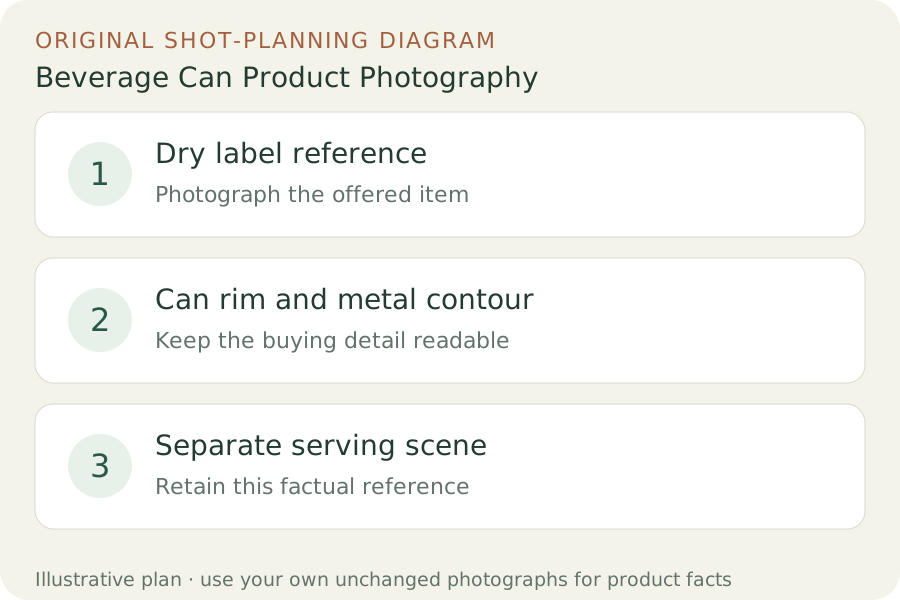
Original teaching diagram: Dry label reference, Can rim and metal contour, Separate serving scene
EDITORIAL CONCEPT
01 / EXAMPLEILLUSTRATIVE CONCEPT
What this shows

Give each photograph one clear job.

Use the three labeled views to plan your factual gallery. The outlines show composition roles only; they contain no observed dimensions, verified materials or performance measurements. Keep real photographs beside any secondary scene candidate.

Original teaching diagram: Dry label reference, Can rim and metal contour, Separate serving scene
Editorial conceptOriginal teaching diagram for shot planning. Illustrative outlines, not a photograph of inventory, a Fayvoro output or a customer example.

This image is an editorial concept made for the site. It is not a Fayvoro generation or customer result. AI can change product shape, color, packaging, labels, and text. Check every important detail against the real item.

02 / A PRACTICAL WORKFLOWSTART WITH YOUR PHOTO
01

Make a dry packaging record before a styled frame

Record the selected drink, flavor, can size and packaging version. Take a dry real can photograph with the front design legible, then a separate factual label-detail image where needed. Do not use one flavor’s back label behind another flavor’s front. Keep any carton or multipack photograph tied to the actual supplied count.

Use a nearly square front orientation for the most important wording, then add an angled view that explains the can’s curved metal form. Broncolor’s bottle-lighting demonstration shows how controlling a reflection can describe curved packaging. For your can, move the light or card until the label reads clearly without inventing a flat, reflection-free material.

02

Separate metal highlights from serving styling

Keep camera and can position fixed while comparing trial reflections from a broad light. Check the rim, top tab and lower edge in a real closer frame if their format matters. Do not erase dents from sale-condition photographs or replace the can’s genuine seam with an ideal outline. A highlight across the label should not make a flavor name disappear.

Make a different real or clearly identified concept image for a cold-drink mood. If you use droplets or a glass in a real session, keep packaging legibility and inclusion status explicit. A poured drink, garnish or foam should represent what you can actually substantiate. Water droplets alone cannot establish carbonation, chill duration, freshness or a serving recommendation.

03

Review a scene against the dry packaging original

Upload one clear actual can photograph to Fayvoro and request a quiet serving-display scene. You can explore a lighting mood without asking it to recreate nutrition text or a new package. Keep the original dry-label image in the factual gallery; this is not a certified packaging-preservation workflow.

Check top-tab construction, can height-to-width ratio, flavor name, visible claims and printed graphics. Reject changed wording, a second can or a different package size. If a candidate adds droplets that obscure the label, keep it out of the buying record. An atmospheric image cannot supply proof of formulation, storage behavior or actual cold performance.
Direction to try

A useful starting note.

Use this as a starting point, then adjust it for your own product. No prompt can guarantee exact product details.

Use my actual beverage can photograph for one quiet serving-display composition with the printed front visible and soft controlled light. Add no glass, garnish, extra can, droplets or new lettering. I will compare the can format and every visible label detail with the dry real reference.
Before you publish

Check the details.

  • Flavor, package size and label version belong to the same real can.
  • Dry factual label remains available and legible.
  • Rim, tab and metal shape match unchanged detail photographs.
  • Cold-styling cues are separate from product-performance claims.
  • Multipack count and any serving props have explicit statuses.
Common questions

A few things to know.

Should I cover the main can photo in droplets?

Keep a clear dry packaging reference first. A separate serving image can use an accurately identified visual direction without hiding the label buyers need to read.

Can condensation prove how long the drink stays cold?

No. It is a visible styling cue, not a temperature or insulation test. Keep performance statements tied to real evidence.

Can Fayvoro preserve all nutrition text exactly?

Exact lettering preservation is not promised. Keep the real label detail and reject a candidate with changed product wording.

Make your image
with intention.

Explore a scene from your real photo