Imagine an original piece of furniture

Describe the furniture type, its intended use, and a material direction. Generate a concept image focused on the piece’s silhouette, proportions, joinery appearance, and surface finish.

3 free signup credits · No card neededExplore the directions
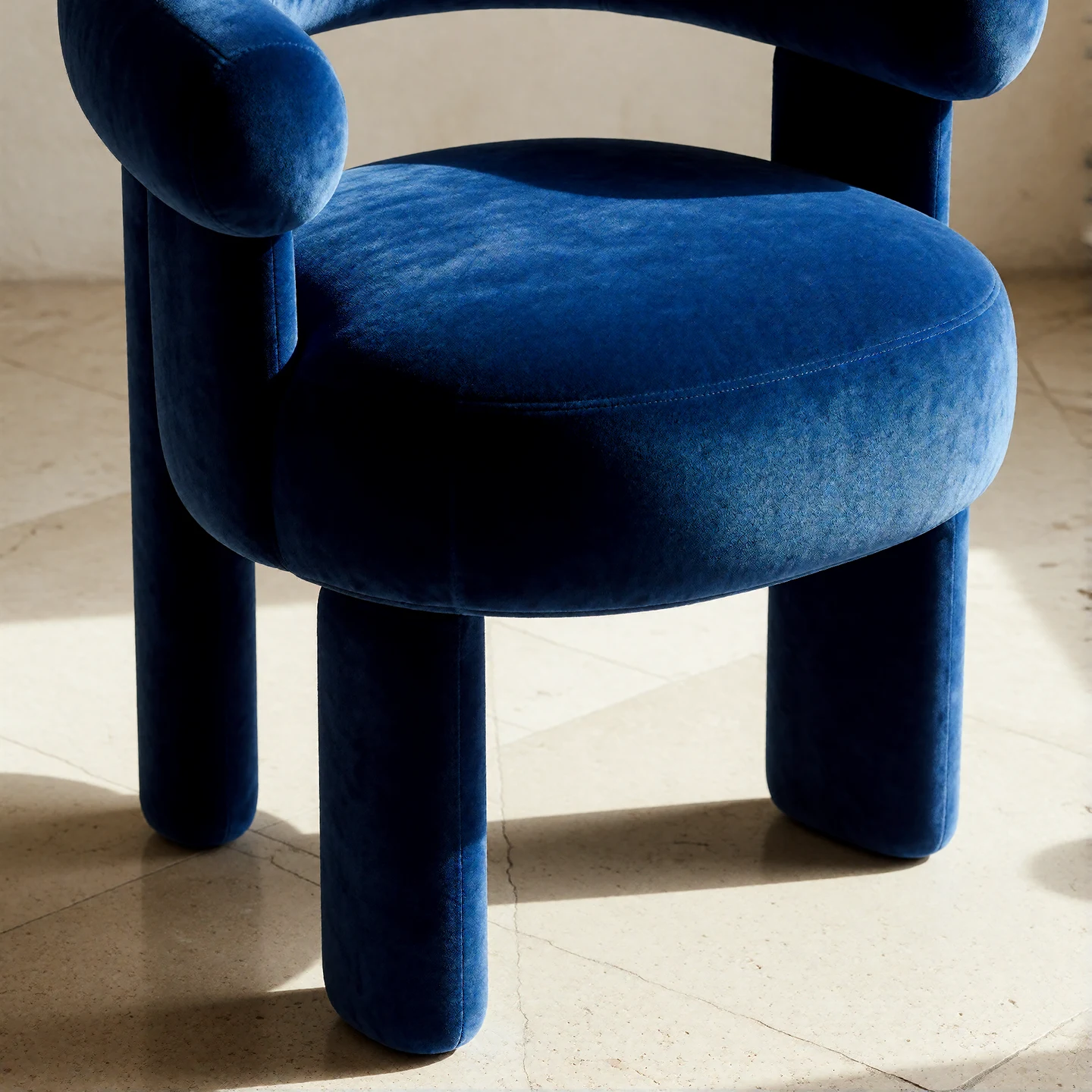
Original sculptural cobalt-blue lounge chair with a crescent backrest and three rounded legs in a pale stone gallery
AI INSPIRATION · An original AI-created concept from the prompt below, presented as inspiration rather than a customer result.
A FEW WAYS IN

Explore the example. Make it yours.

Open a prompt to see the starting idea.
You choose when to generate.

Original sculptural cobalt-blue lounge chair with a crescent backrest and three rounded legs in a pale stone gallery
AI INSPIRATION

A sculptural cobalt crescent chair

An original AI-created concept from the prompt below, presented as inspiration rather than a customer result.

Explore the prompt

One sculptural cobalt-blue designer lounge chair: a continuous crescent backrest, generous rounded seat and three thick cylindrical legs, all covered in tactile cobalt velvet. A beautiful practical chair with clear coherent construction. Entire chair visible from a three-quarter angle, centered with generous empty margin around every edge. Minimal pale stone gallery, warm directional light, crisp floor shadow, luxury product photograph. No text or logos.

MAKE IT MORE YOURS

A little intention. A different image.

01

Begin with how the piece will be used

A reading chair, a compact desk, and an entryway bench have different visual priorities. Describe the setting and the main action the piece supports before choosing decorative details. Then define the furniture type and an approximate visual character: low and rounded, slender and light, or sturdy and geometric. A clear use case helps the concept feel more focused.

02

Let materials support the silhouette

Choose a main structural material and one contrasting surface, such as oak with woven cord or powder-coated metal with a soft cushion. Ask for a clean three-quarter studio view so the shape is visible without a busy room competing for attention. Mention the parts you care about most, such as the backrest, legs, handles, or relationship between open and closed storage. A restrained finish can make the outline easier to compare.

03

Develop the object beyond the image

Review whether the legs connect, the surfaces meet, and the overall proportions make visual sense. A convincing rendering does not establish comfort, load capacity, stability, or how the piece can be assembled. Use the image to select a direction, then develop measured drawings, material specifications, and prototypes separately. A furniture maker or designer can evaluate the practical details before fabrication.

BEFORE YOU BEGIN

A few useful answers.

Does this design a new piece or place furniture in a room?+

This page focuses on a new piece’s appearance. Use virtual staging to add furniture to an empty room, or room redesign to explore an interior arrangement.

Can I get CAD files or a cutting list?+

This workflow creates a concept image. CAD geometry, measured drawings, joinery details, and cutting lists require separate technical design.

Can I request a particular material combination?+

Yes. Name the main structure, upholstery or secondary material, and finish. A limited set of materials usually makes the concept easier to assess.

Does the image prove a chair is safe or comfortable?+

No. Appearance does not verify stability, strength, ergonomics, or buildability. Those need appropriate design checks and physical evaluation.

THE NEXT IMAGE COULD BE YOURS

Follow the idea.